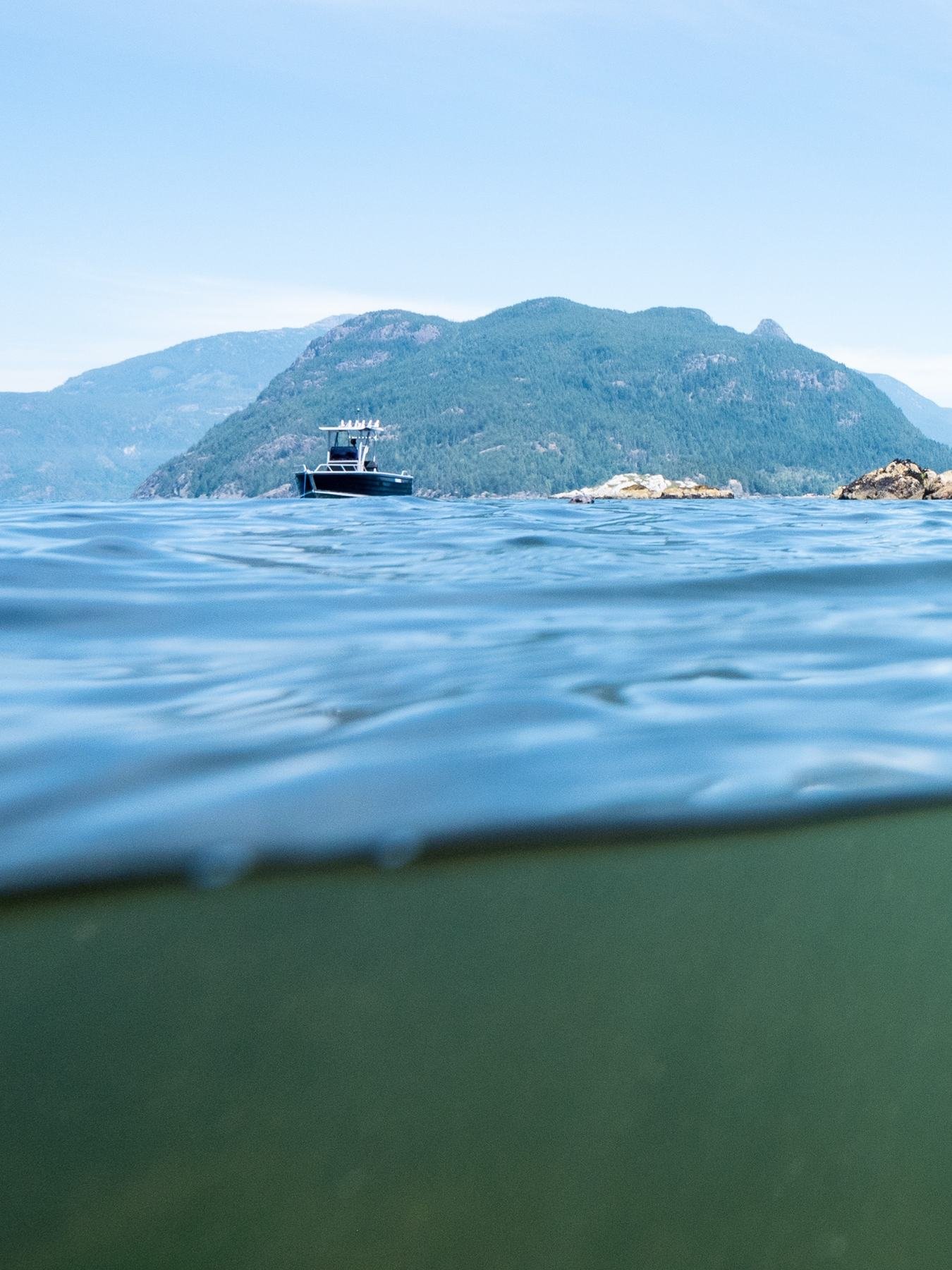
Átl'ka7tsem: A Sound Coming Back to Life
A fjord that was nearly killed twice, and the recovery almost nobody expected.
Words, photographs and film by Brian Hockenstein
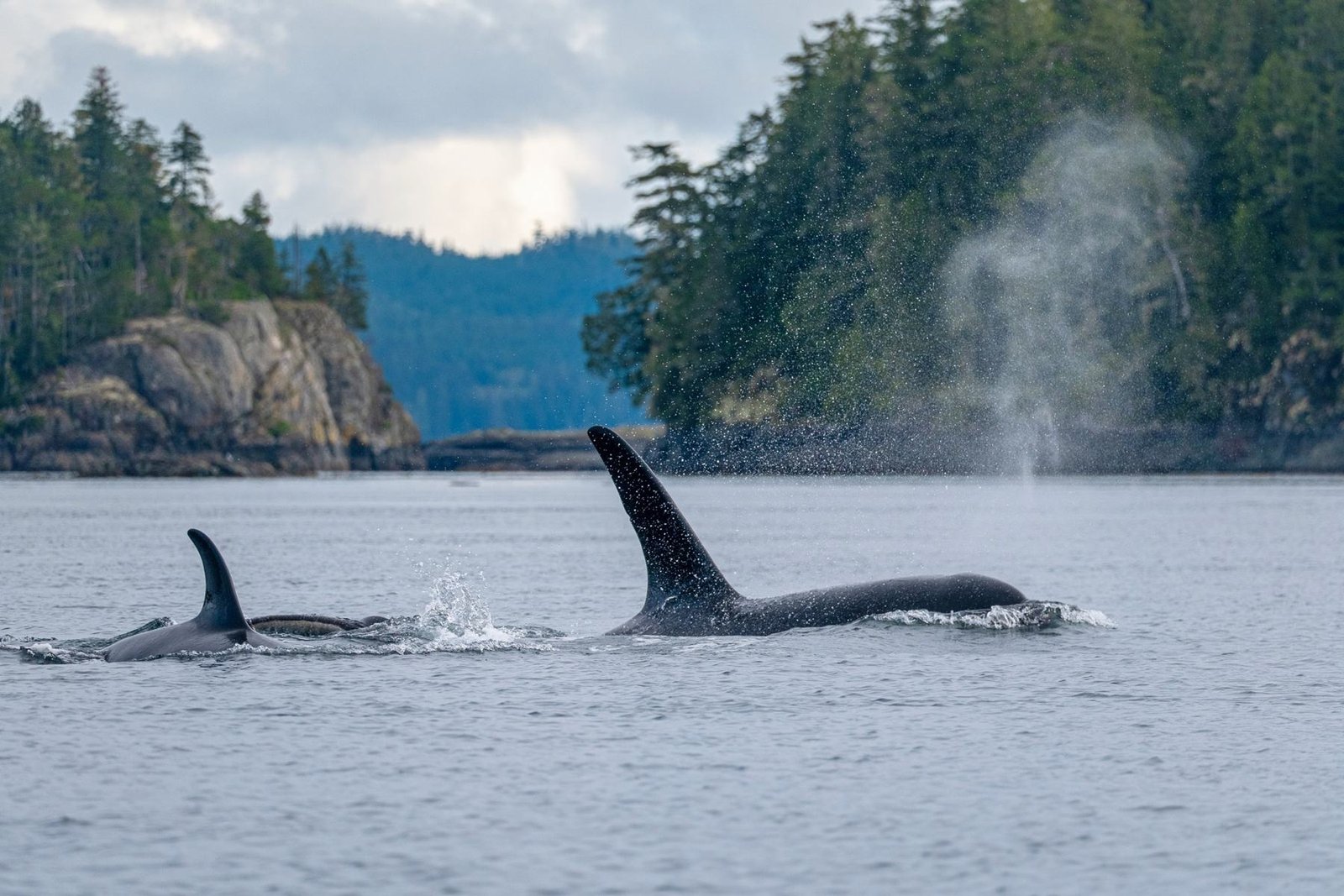
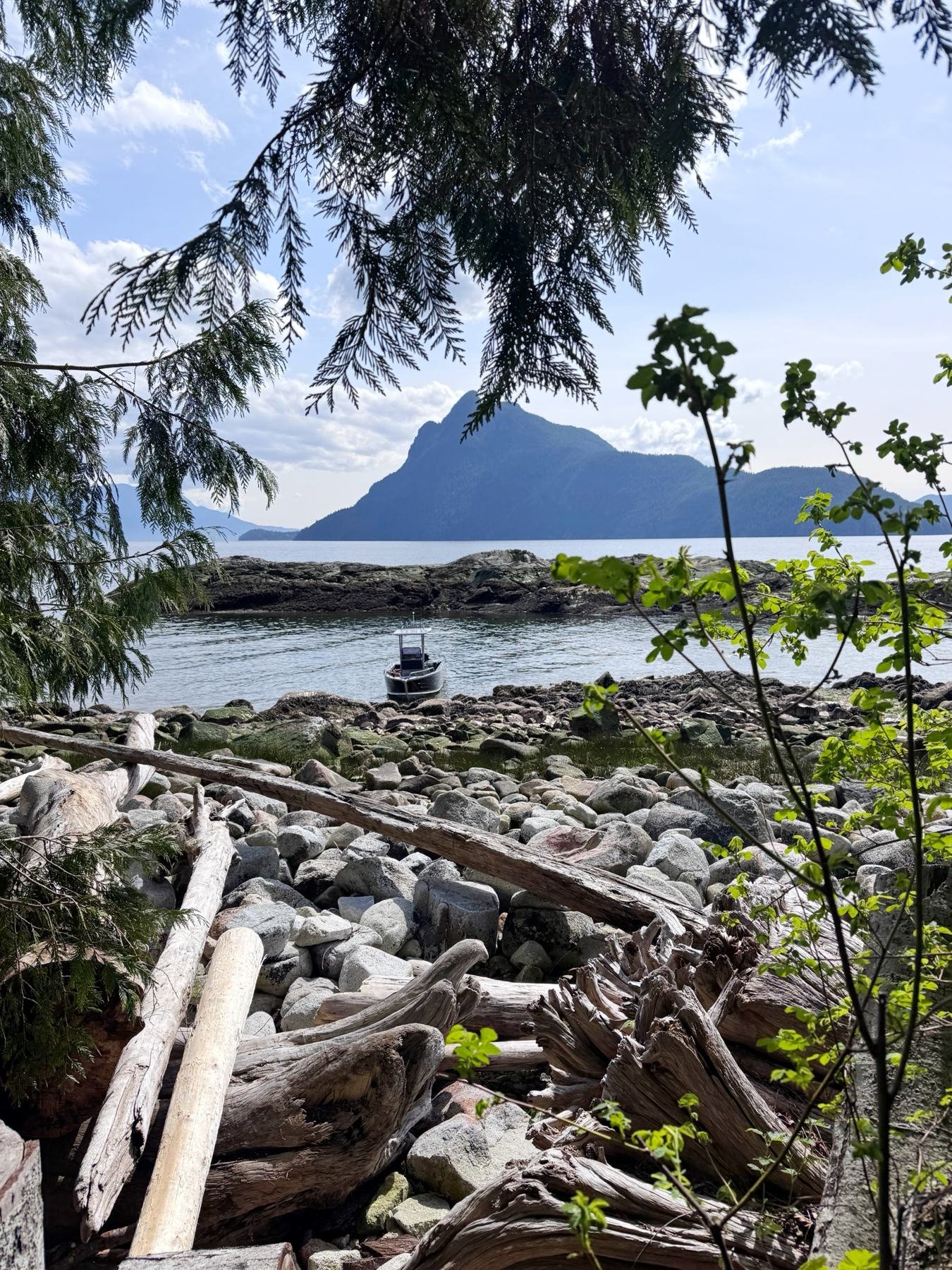
On a good morning in Átl'ka7tsem, the water tells you almost nothing about where it has been. A pod of orcas moves through the upper sound, black fins cutting north past Anvil Island.
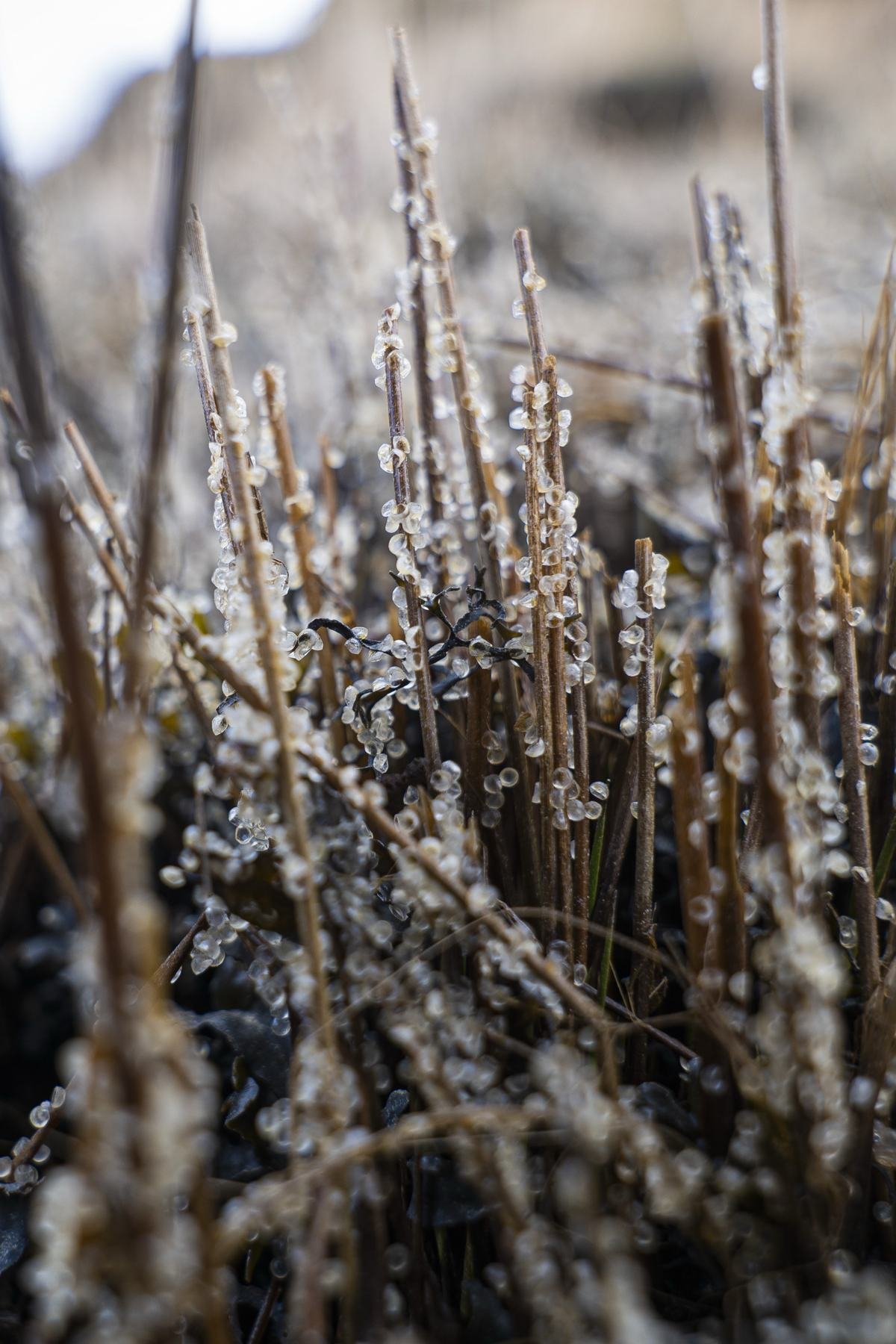
Below the surface, herring gather in numbers that would have seemed impossible thirty years ago.
Eelgrass sways in shallow water that used to run clear for the worst possible reason: nothing lived in it.
This is a fjord that was nearly killed twice, once by copper and once by pulp. It is also a fjord that is coming back, faster and more fully than almost anyone expected. This is the story of both.
Ten Thousand Years of Relationship
Long before either industry arrived, Átl'ka7tsem was home. The Sḵwx̱wú7mesh (Squamish) people have lived in relationship with this fjord and its watersheds for more than ten thousand years, a span of time that makes the industrial era here look like a single bad afternoon by comparison.
One hundred and eighteen years of mining and pulp, set against more than ten thousand years of living here. A single bad afternoon by comparison.
That relationship was not incidental to daily life. It shaped it. The Squamish language marks the season by the fish themselves, and the word for herring, slhawt', carries the memory of a food source, a trade economy, and a yearly rhythm that people planned their lives around.
Across the Pacific Northwest, that pattern held for First Nations broadly, not just here. Harvesting fish, shellfish, and game was central to life, but it was practiced in ways built to sustain the resource for generations rather than exhaust it in one, using selective methods, seasonal timing, and traditional governance that treated the land and water as something to be cared for in return for what was taken.
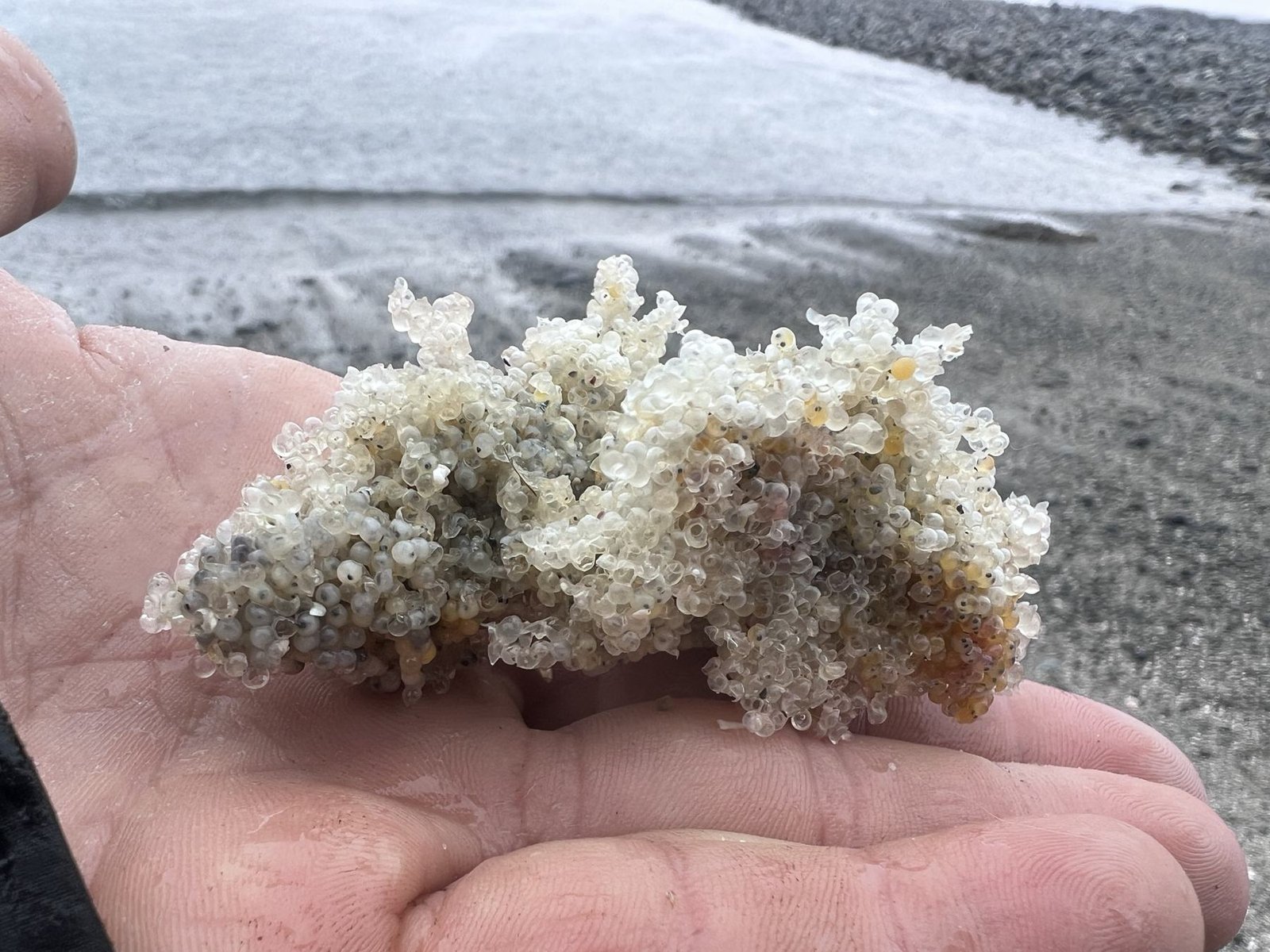
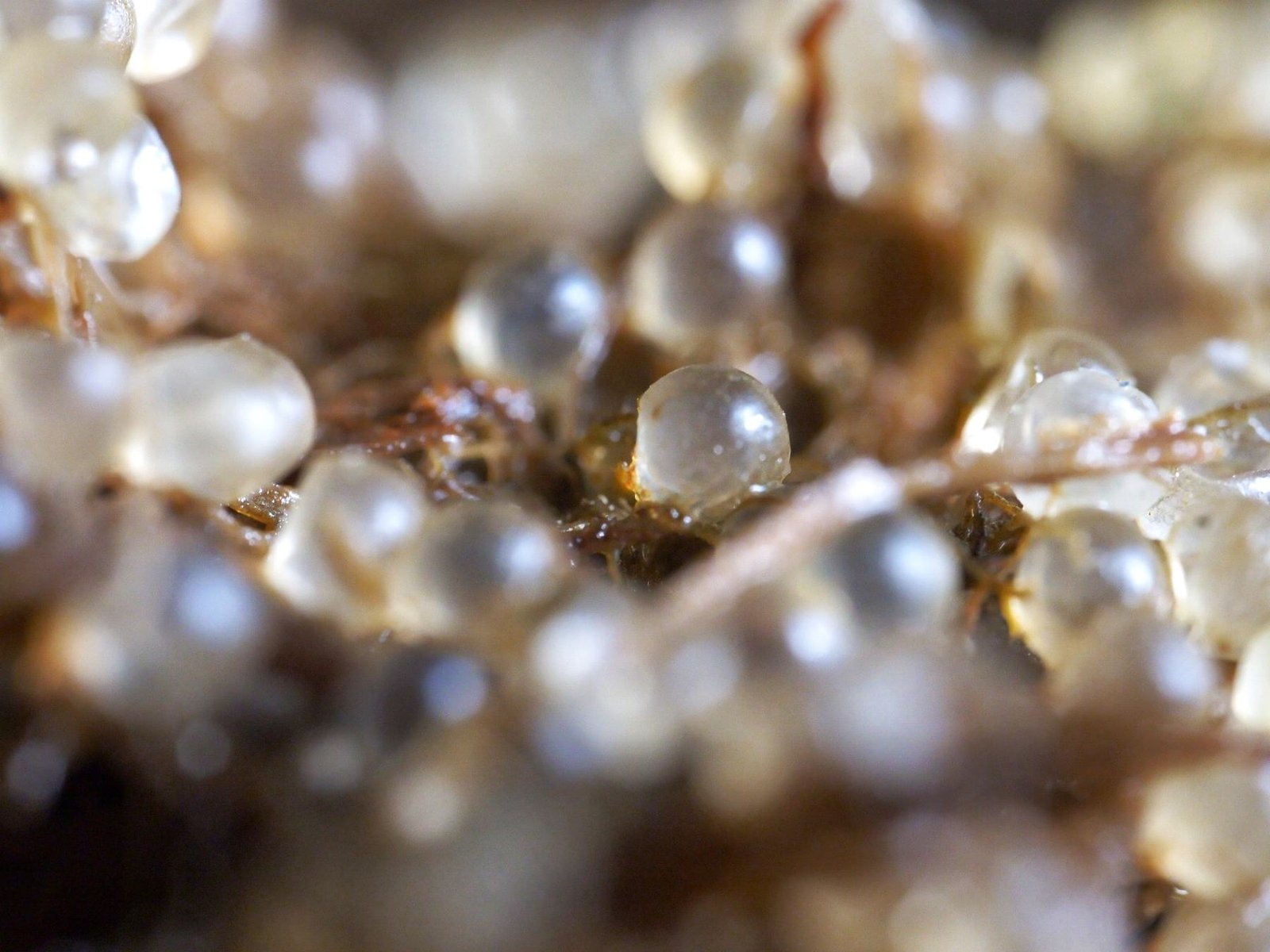
What is worth saying plainly here is what happened when the herring came back. In 2019, for the first time in roughly a century, Squamish Nation elders, students, and community members gathered on the shore of Átl'ka7tsem to harvest herring roe, ch'em'esh, using cedar and hemlock boughs laid in the water in the traditional way. Industrial pollution had made that practice impossible for three generations. Its return has become an annual community and youth event since, a living transfer of knowledge from elders to the next generation, made possible by the same recovery this article is about.
Copper and the First Wound
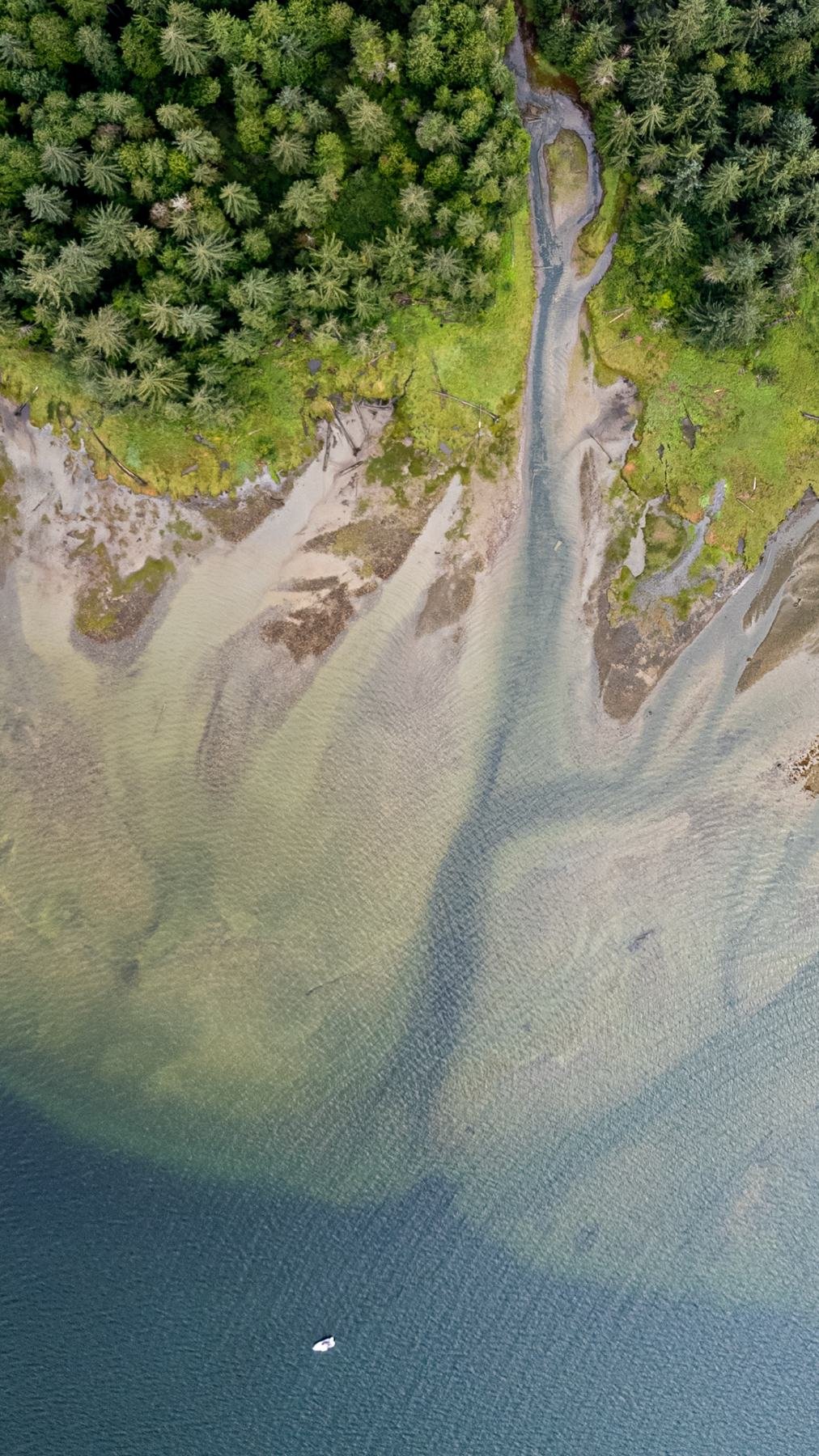
Minerals were first found in the mountains above Britannia Creek in 1888. By 1905 the Britannia Mine was in full production, and within a few decades it had become the largest copper producer in the British Empire.
Over nearly seventy years of operation, it pulled more than 517,000 tonnes of copper and 125,000 tonnes of zinc out of the ground, along with lead, cadmium, silver, and gold.
The mine closed in 1974, but closing it did not stop the damage. Rainwater and snowmelt kept moving through eighty kilometres of abandoned tunnels, reacting with exposed sulphide rock to create acid rock drainage, a toxic soup of dissolved metals that had nowhere to go but Howe Sound. At its worst, as much as 450 kilograms of copper were entering the sound every single day.
The water in Britannia Creek ran perfectly clear, and that clarity was the tell. Nothing alive was left to cloud it.
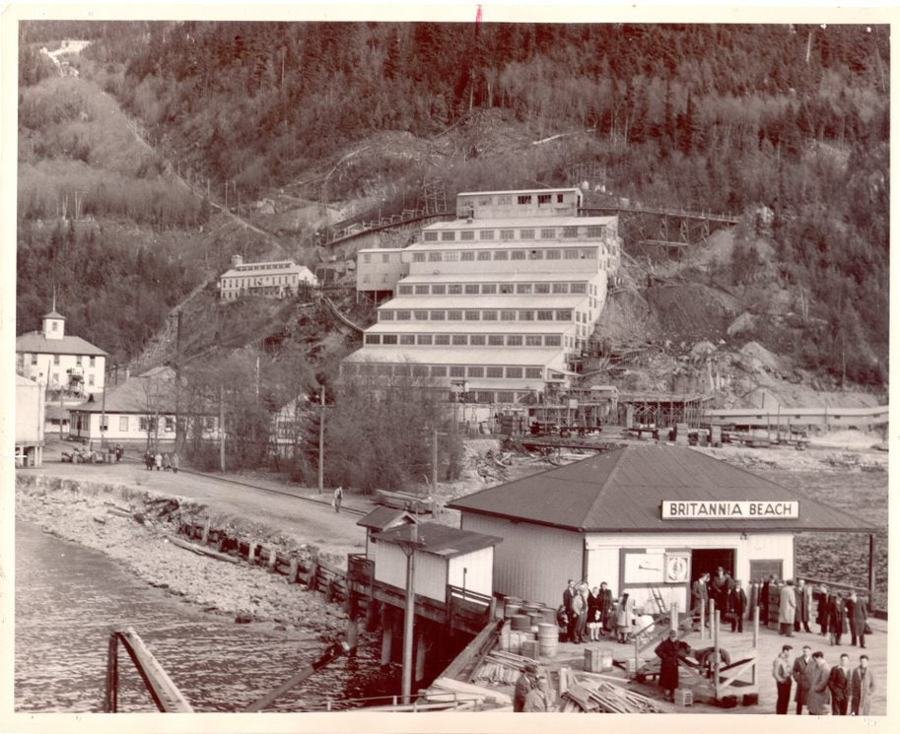
By the time anyone reckoned with the scale of itThe largest single point source of heavy metal pollution in North America.
Woodfibre, Woodfibre, our little town, you're turning the water all brown in Howe Sound.
The chorus, as local musicians sang itFiber and the Second Wound
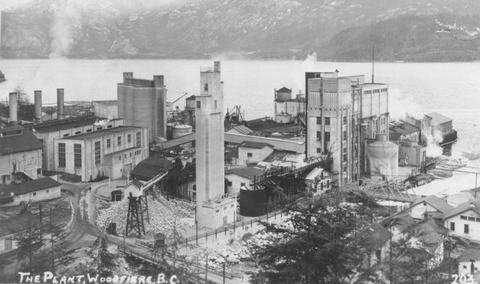
A second industrial wound opened just across the water. A pulp mill began operating at Woodfibre in 1912, and for most of the twentieth century it discharged organo-chlorine compounds, including dioxins and furans, directly into the sound.
By the late 1980s the pollution was severe enough that Fisheries and Oceans Canada closed commercial crab, shrimp, and prawn fishing around both the Woodfibre and Port Mellon mills. Local musicians wrote a song about it.
The mill kept operating until March 2006, more than three decades after Britannia had already shown what industrial runoff could do to this fjord.
The Turnaround
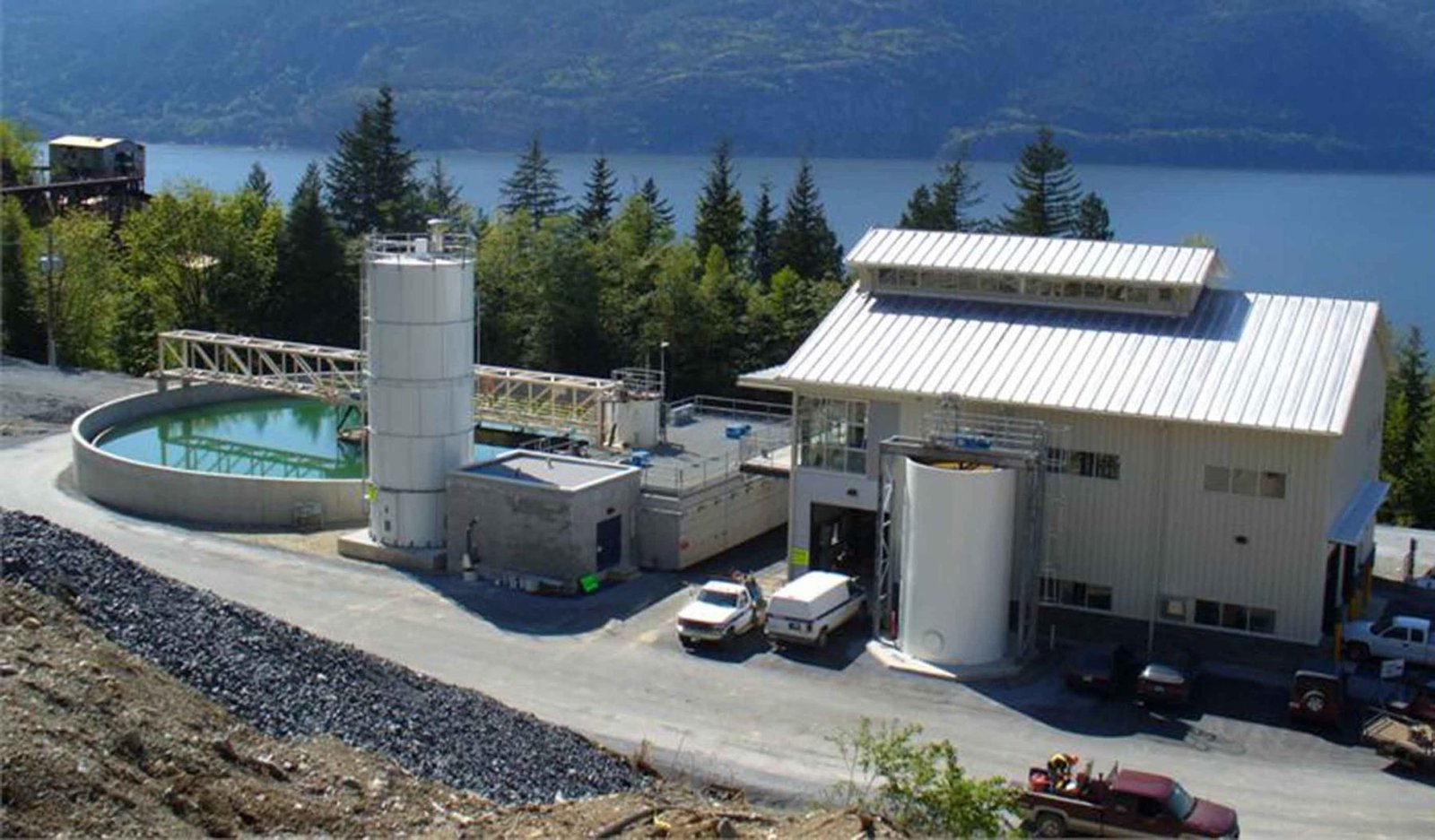
The recovery did not arrive all at once, and it did not arrive by accident. In 2001, engineers plugged the old mine workings and diverted acid mine drainage into a deep outfall pipe, buying the creek some breathing room. A full water treatment plant followed in 2006, now removing an average of 226,000 kilograms of heavy metal contaminants from Britannia's runoff every year. Woodfibre's closure that same year removed the second major source of pollution at the same time.
The creek itself gave the clearest proof that the work was paying off. In 2011, five years after the treatment plant came online, pink salmon were confirmed back in Britannia Creek for the first time in roughly a century. Conservationists who had spent decades calling the creek dead were the ones who found them.
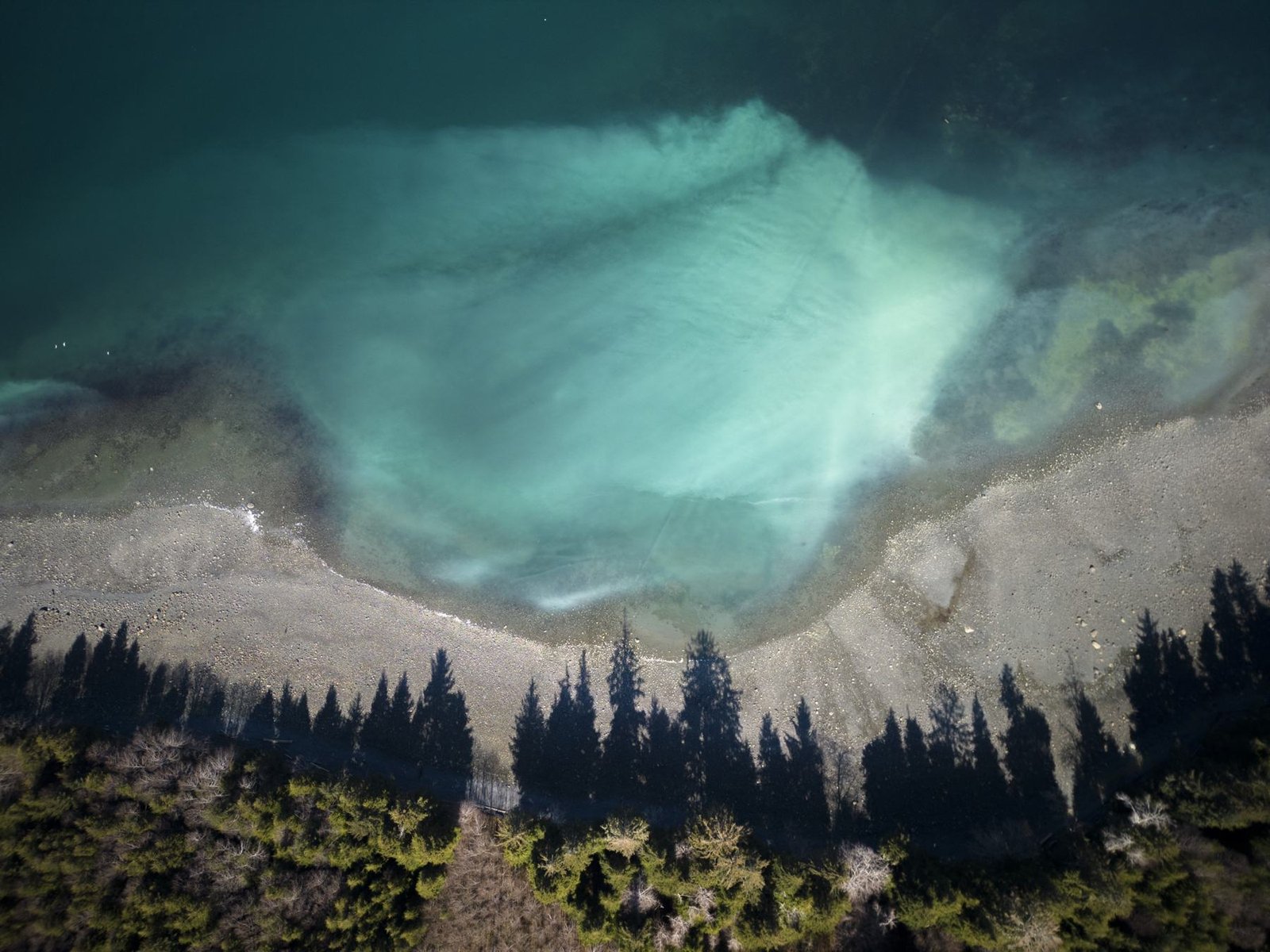
Then the sound started to answer back. Herring, nearly absent for decades, began a documented comeback around 2005. Streamkeeper volunteers coated old pilings to protect herring eggs from creosote.
Citizen scientists started tracking spawn events every February, and since 2011 those events have been recorded annually right around the old Woodfibre site, the same shoreline that once ran brown with mill effluent.
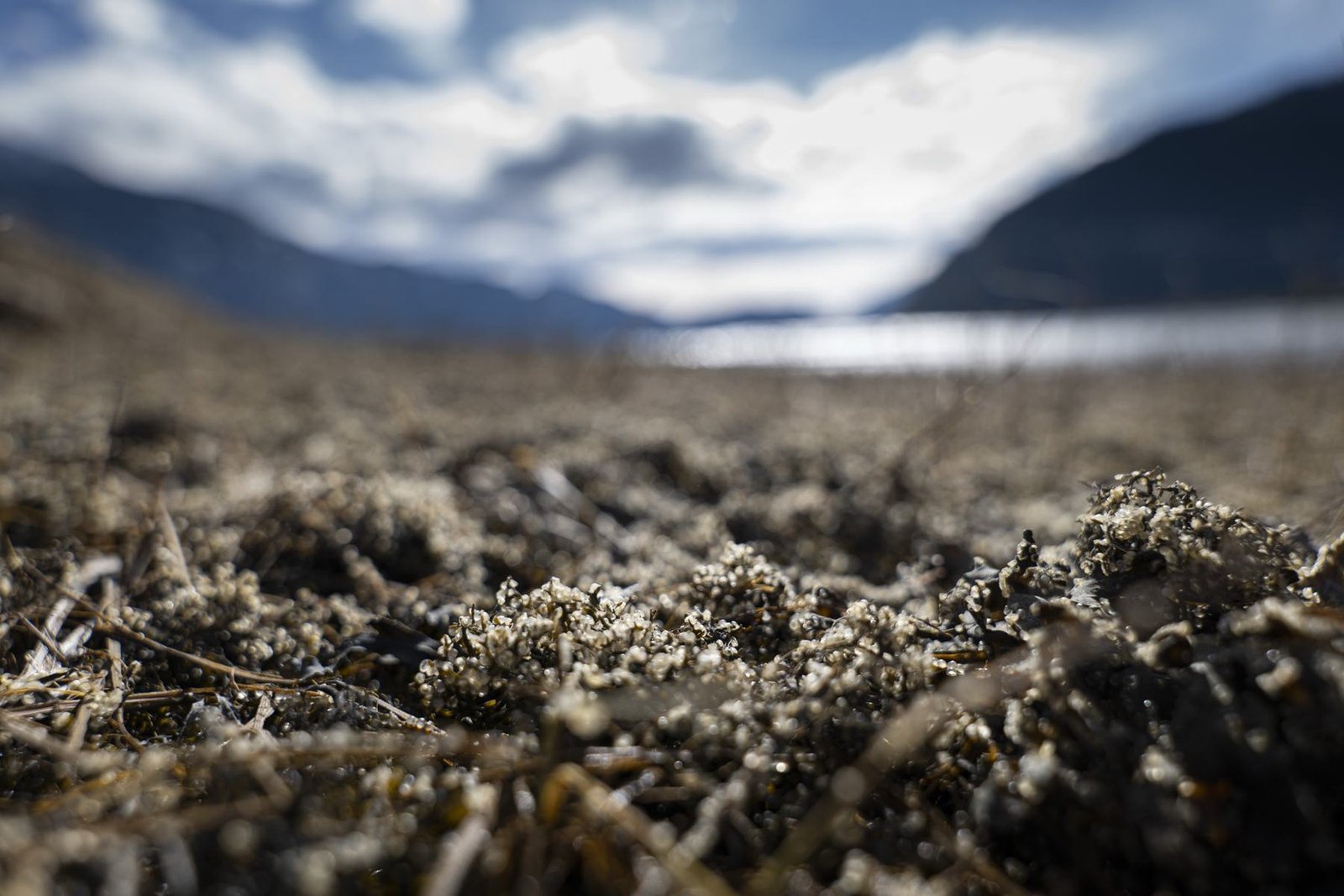
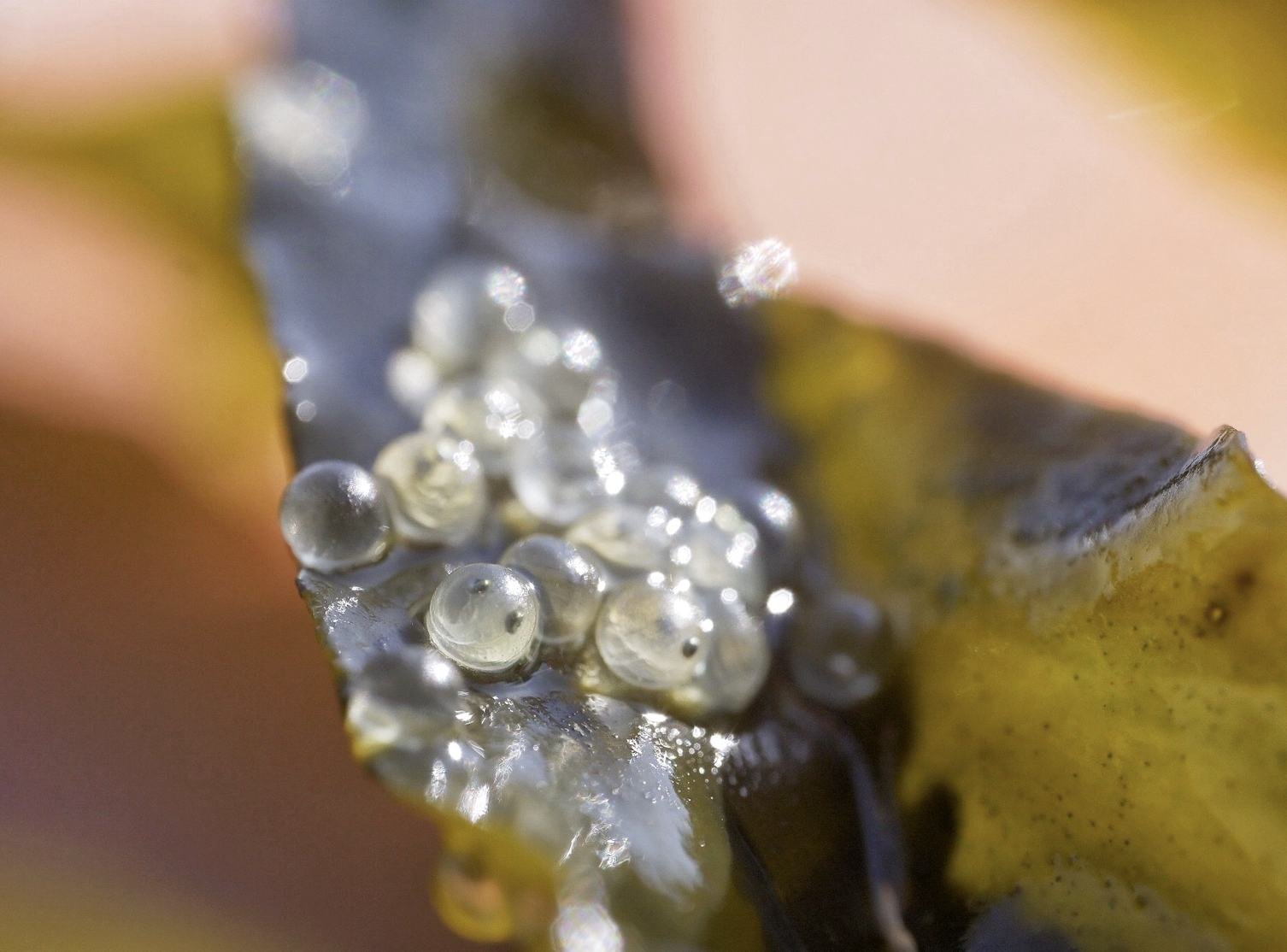
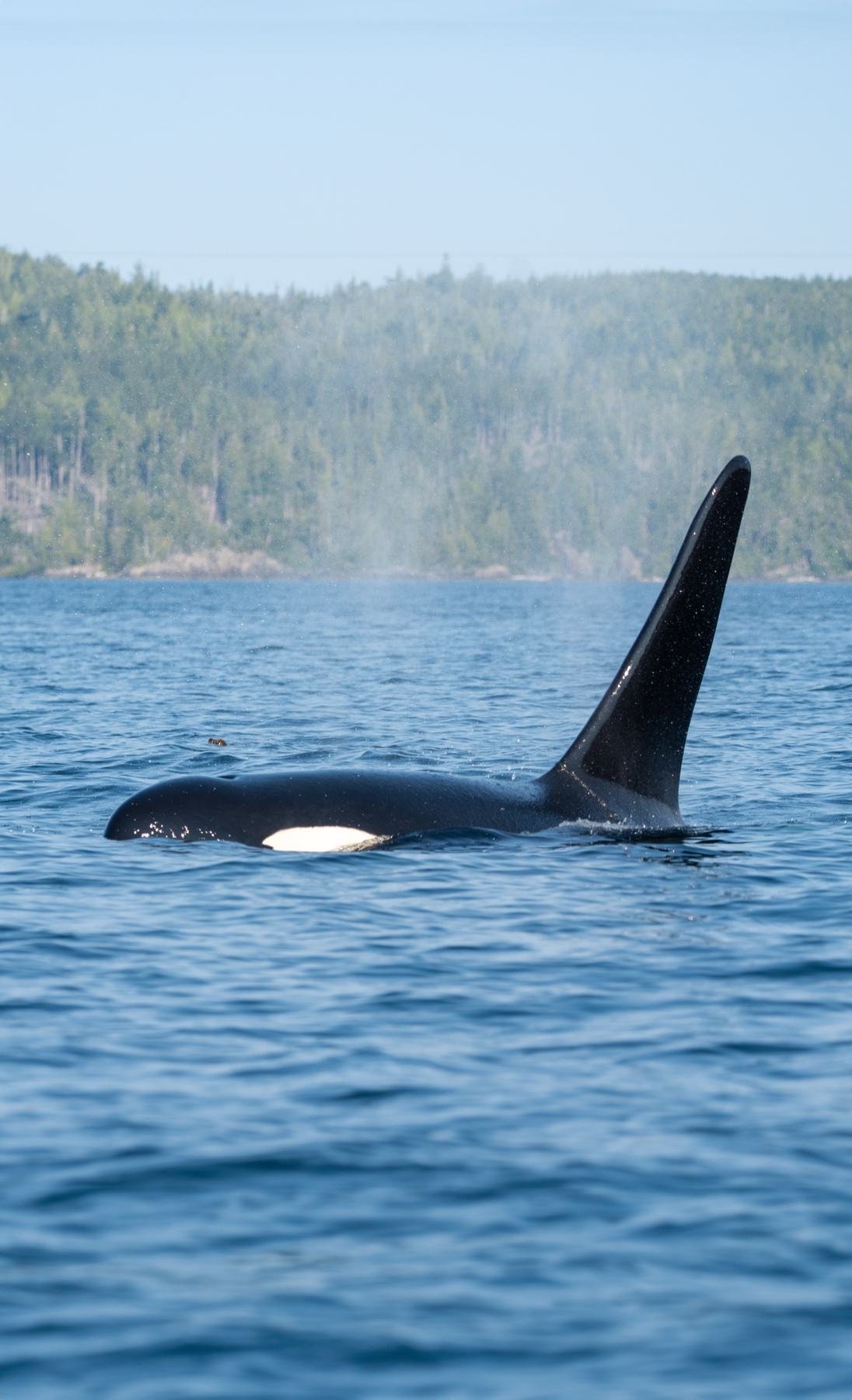
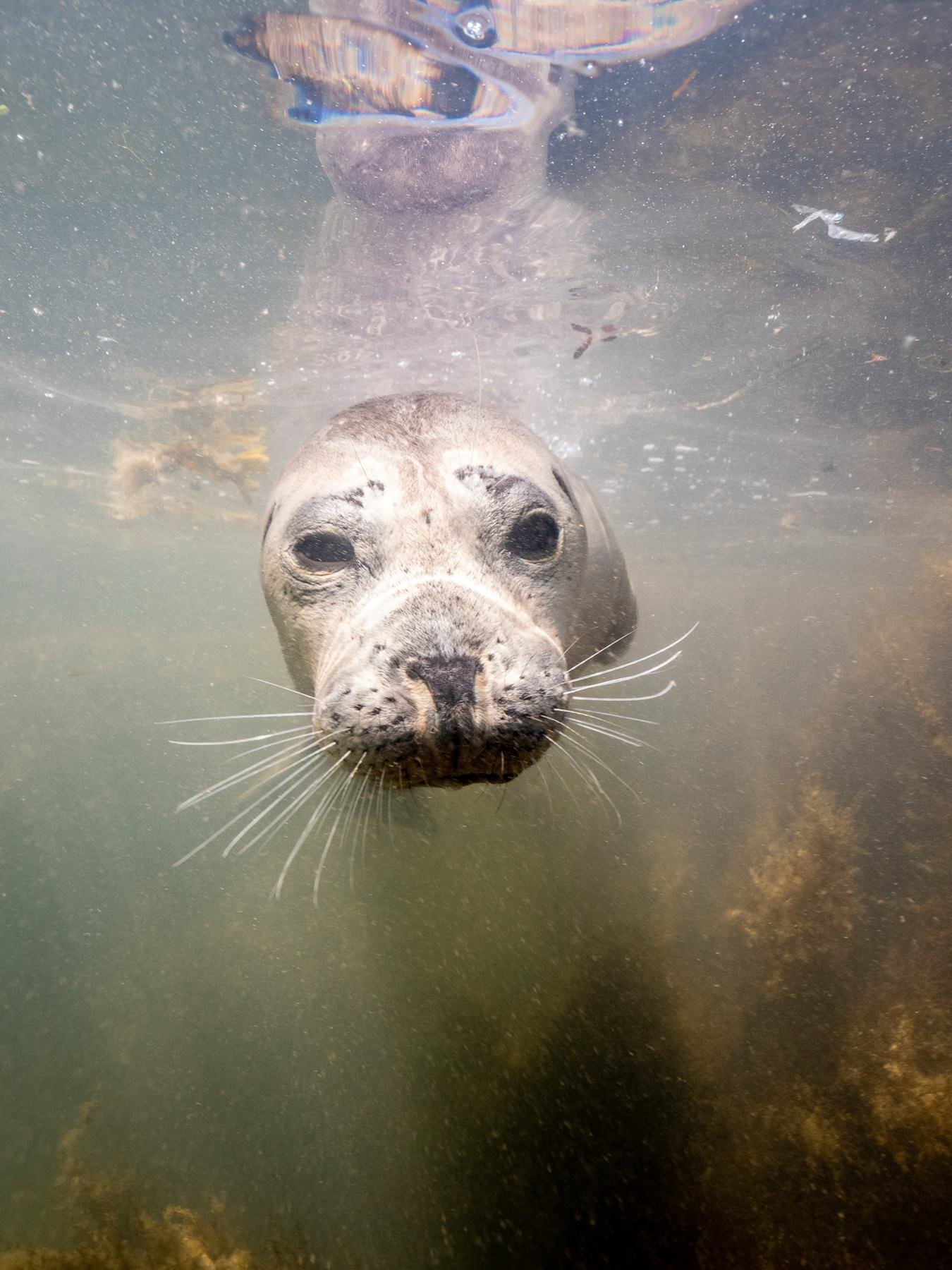
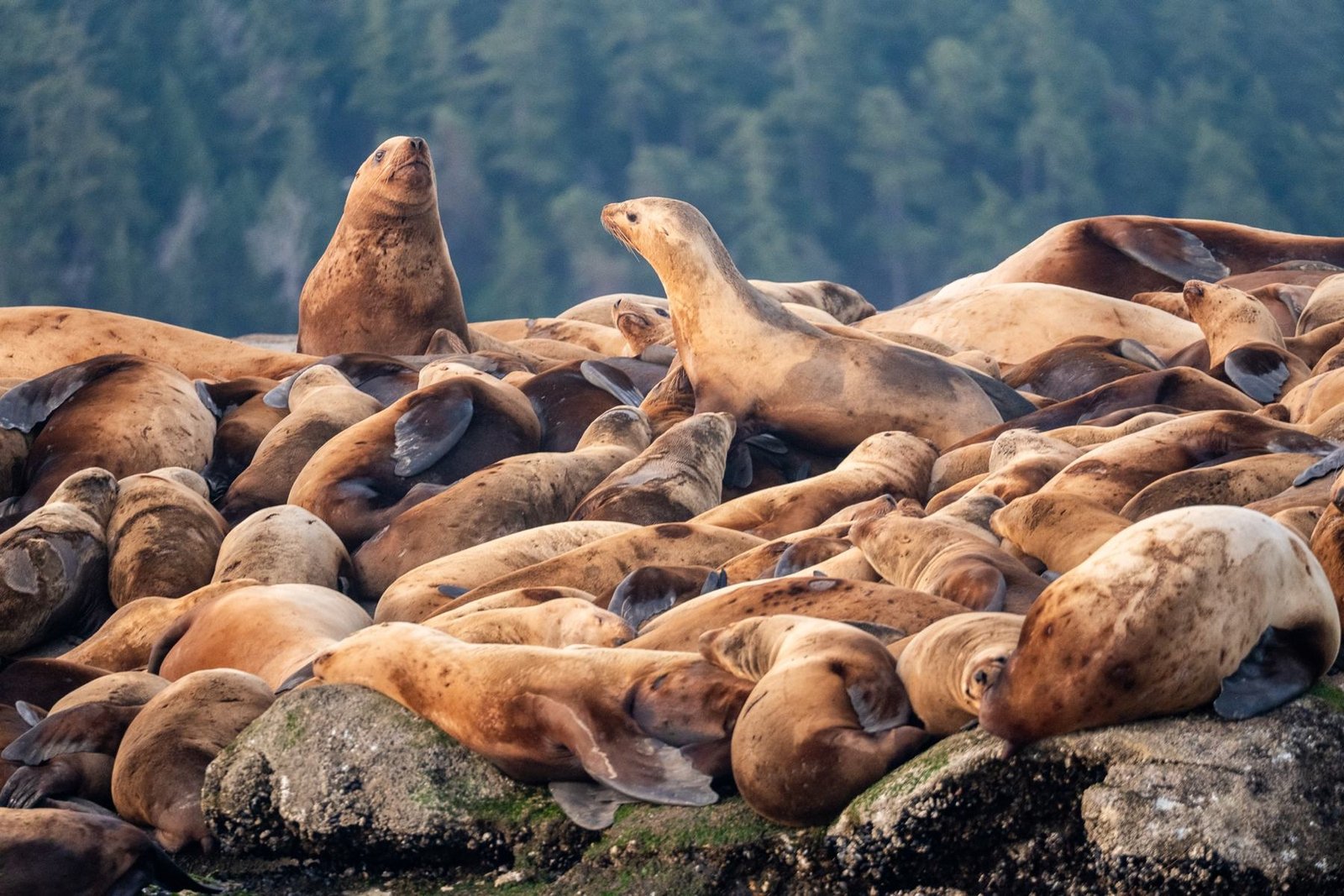
Where the herring returned, everything else followed. Steller sea lions, once absent entirely, now gather in the hundreds. Dolphins and porpoises became a common sight.
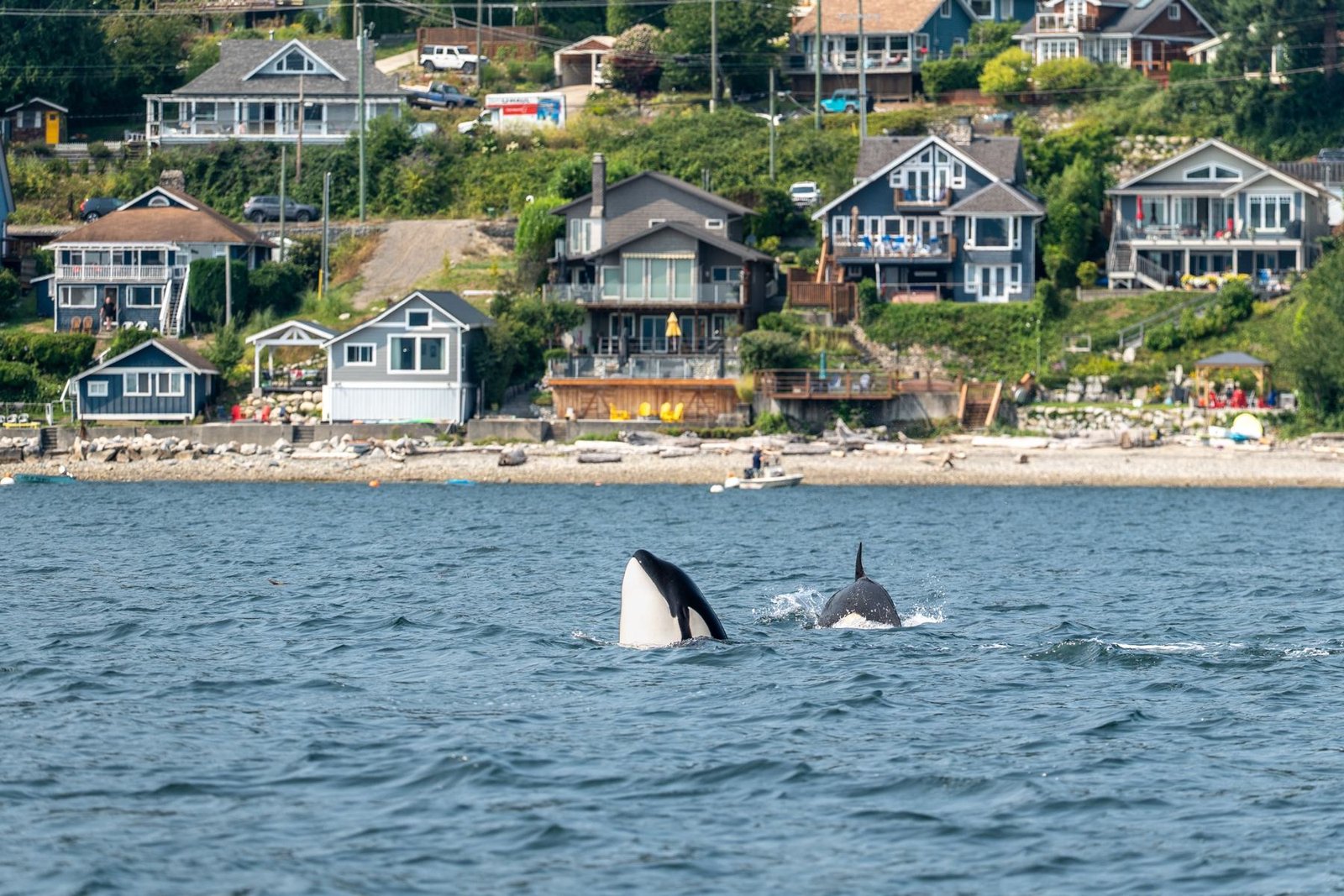
In 2014, after nearly a century without a single sighting, orcas returned to Howe Sound, and the community threw a celebration on the water to mark it.
None of this means Howe Sound is whole again. Eulachon, once so abundant they fed whales up and down the coast, have not returned in anything like their old numbers. More than eighty humpback whales were lost to local whaling long before the mines and mills arrived, and the white sturgeon that once fed here are gone.
Recovery is real, but it is not complete, and it is worth saying so plainly rather than only telling the good half of the story.
But the good half of the story is remarkable on its own terms. This fjord went from the largest heavy metal polluter in North America to a place where orcas hunt, herring spawn in the shallows every spring, and sea lions haul out by the hundred, and it did it within a single working lifetime. Nobody re-engineered this recovery. Nobody planted the eelgrass or trained the herring where to spawn. People stopped pouring poison into the water, cleaned up what was already there, and then stepped back.
The Sound knew what to do. It always did.
The Takeaway
The engineering mattered, the plugged mine shaft, the treatment plant, the closed mill, but the deeper lesson sits underneath it. Nature knew what to do here. It did not need us to design its recovery. It needed us to stop poisoning it and then get out of the way. That is a harder thing to sit with than it sounds, because it means our best contribution was not cleverness but restraint.
It also asks something of how we see ourselves. We are not managing this system from outside it, standing above a pyramid of other species. We are part of it, one species among many, and for a century we happened to be the one doing the most harm. That comes with a responsibility no different from what the Squamish people have practiced here for ten thousand years, not control, but stewardship.
Howe Sound is the proof that when we hold up our end of that relationship, the rest of the system still remembers how to thrive.